Triggered
I’m Not Toxic—You Just Don’t Like My Boundaries
Some people only liked me when I had none.
♡────────────♡────────────♡♡────────────♡────────────♡♡─────
I've been called a lot of things lately.
Difficult. Reactive. Too much.
And my personal favorite—
toxic.
But here's the part that keeps getting left out:
I didn't become toxic.
I became aware…
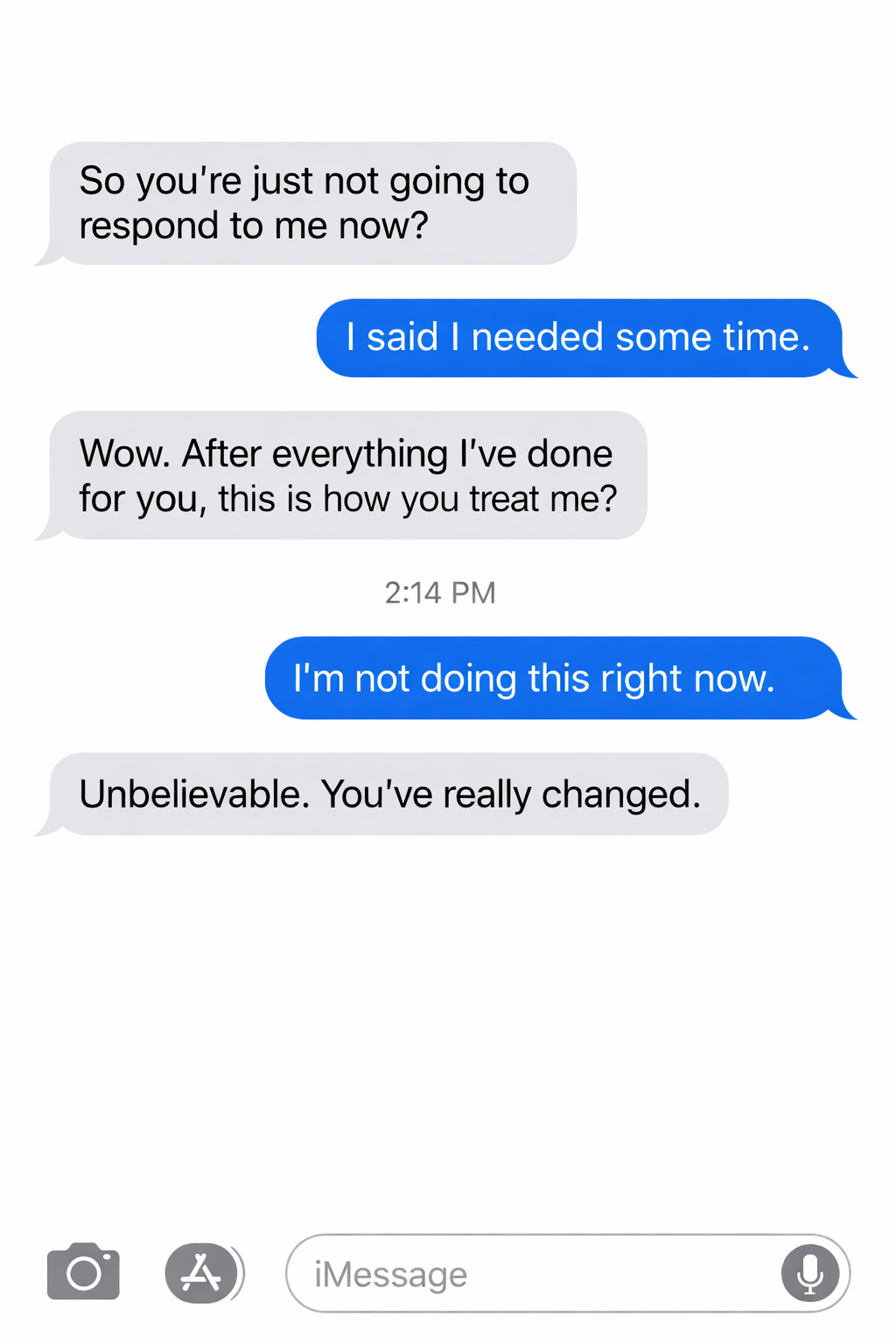
I started noticing the patterns I used to excuse.
The comments I used to brush off.
The lines that kept getting crossed while I stood there, convincing myself it "wasn't a big deal."
And now that it is a big deal?
Now I'm the problem.
♡────────────♡────────────♡♡────────────♡────────────♡♡────────────♡
For a long time, I didn't have boundaries—I had tolerance.
I kept the peace. I explained myself. I gave the benefit of the doubt over and over again, even when it cost me my own sanity.
And because of that, I was easy to be around.
Easy to deal with. Easy to dismiss.
But something shifted.
I stopped over-explaining.
I stopped absorbing things that were never mine to carry.
I started saying no without dressing it up to make it more comfortable for everyone else.
That's when everything changed.
Not because I became someone new—
But because I stopped being someone convenient.
♡────────────♡────────────♡♡────────────♡────────────♡♡────────────♡
The Pattern

Let me make something very clear, because this is where people get it twisted:
This isn't me "randomly reacting."
This is a pattern.
I set a boundary.
It gets ignored.
I repeat it.
It gets pushed.
I get frustrated.
I react.
And suddenly, the entire focus shifts.
Not to the boundary that was crossed.
Not to the behavior that led up to it.
But to my reaction.
That's called reactive abuse.
It's what happens when someone repeatedly disrespects your boundaries, provokes you, and pushes you past your limit—
and then uses your reaction as evidence that you're the problem.
Not the behavior.
Not the pattern.
Just your response.
♡────────────♡────────────♡♡────────────♡────────────♡♡────────────♡
The Mind Game
And here's where it gets really messed up—
Because I have reacted.
I've raised my voice.
I've gotten frustrated.
I've snapped when I should've stepped away.
So now I'm sitting there asking myself:
"Am I toxic?"
"Am I overreacting?"
"Am I the issue here?"
Meanwhile, the original problem—the repeated boundary crossing—gets completely buried.
That's the game.
And it works… if you don't recognize it.
♡────────────♡────────────♡♡────────────♡────────────♡♡────────────♡
The Truth
A healthy person doesn't agree with every boundary—but they respect it.
A manipulative person?
They challenge it. Push it. Test it. Step over it—
and then blame you for how you respond when you've had enough.
So no—
I'm not toxic for reacting to repeated disrespect.
But I am responsible for how I handle myself moving forward.
Not for your behavior—mine.
And that's where the real work is.
♡────────────♡────────────♡♡────────────♡────────────♡♡────────────♡
I'm not writing this because I think I'm perfect.
I'm writing this because I've spent too long questioning myself in situations where I was actually trying to protect myself.
I'm learning how to respond instead of react.
I'm learning how to pause instead of exploding.
I'm learning that just because something feels familiar doesn't mean it's healthy.
And I'm also learning that some people don't like the version of you that has boundaries—
because it no longer benefits them.
Read that again.
You didn't have a problem with me when I had no boundaries.
You have a problem now that I do.
That's not growth on your end.
That's discomfort.
So no—
I'm not toxic.
I'm triggered sometimes, yes.
I'm still learning, absolutely.
But I'm also aware now.
And I'm no longer willing to carry things that were never mine just to keep the peace.
If that makes me harder to deal with…
Then maybe I was just too easy to walk over to begin with.